Recognizing the Heart of Healthcare
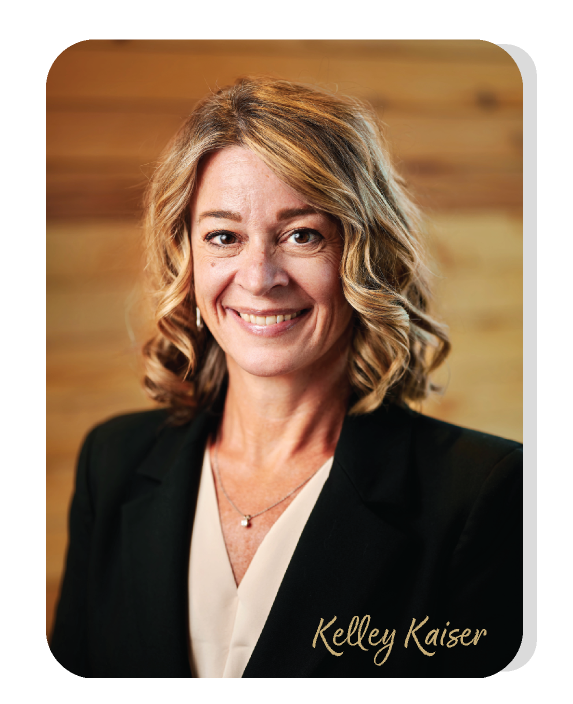
May is a meaningful month at Sonoma Valley Hospital as we recognize the people who make compassionate, community-centered healthcare possible every day – they are the heart of healthcare.
During National Nurses Week and National Hospital Week, we celebrate the extraordinary dedication of the healthcare professionals who care for our community with skill, empathy, and professionalism. Sonoma Valley Hospital is proud to have 143 Medical Staff members, along with nurses, therapists, technicians, support staff, volunteers, and team members across every department who work together to care for patients and families throughout Sonoma Valley.
Hospitals are much more than buildings. They are places of compassion, teamwork, innovation, and hope. Every employee plays a role in creating an environment where patients feel cared for and supported during some of life’s most vulnerable moments.
Recently, our team came together for National Hospital Week celebrations that recognized the people behind the care, from clinical teams to dietary services, EVS, maintenance, registration, administrative staff, and volunteers. Throughout the week, staff enjoyed themed celebrations, snack carts, coffee deliveries, games, music, and opportunities to connect and celebrate one another.
These moments may seem small, but they reflect something much bigger: the culture of teamwork, kindness, and support that exists throughout our hospital every day.
In this month’s Hospital Happenings, we are proud to recognize Emergency Department Director Marylou Ehret, recipient of the North Bay Business Journal Influential Women Award, for her compassionate leadership and dedication to both patients and staff. We are also highlighting the important work of our Case Management and Social Work team, whose support often extends far beyond a hospital stay.
Thank you to our staff, providers, volunteers, and community partners for all you do to support the health and well-being of Sonoma Valley.
Warmly,
Kelley Kaiser
CEO, Sonoma Valley Hospital
Leading with Compassion: Marylou Ehret
In the Emergency Department, things move quickly, but the focus is always on people.
For Marylou Ehret, that is not just a philosophy. It is how she leads every day. We are proud to share that Marylou has been recognized with the North Bay Business Journal (NBBJ) Influential Women Award, honoring leaders who make a meaningful impact through their work and leadership.
Known for being approachable, steady, and deeply supportive, Marylou has built a culture where people feel seen and supported. She has a way of meeting people where they are, whether that is a patient arriving in a stressful moment or a team member navigating a challenging shift.
What stands out most is how present she is. Despite her leadership role, Marylou is never removed from the work itself. You will often find her on the floor, side by side with her team, stepping in during busy moments, helping problem solve in real time, and making sure everyone has what they need to do their job well.
She leads without blame, focusing instead on solutions and support. That approach has helped create a strong sense of trust within the department, where people feel comfortable speaking up and working together.
Marylou is also always looking for ways to improve, strengthening processes and the overall environment for both patients and staff.
In a setting where every moment matters, that kind of leadership makes a real difference. We are grateful to have Marylou as part of our team and proud to see her recognized for the impact she makes every day.
We are grateful to have Marylou as part of our team and proud to see her recognized for the impact she makes every day. Please join us in congratulating her on this well-deserved honor.
Celebrating Nurses Week May 4 – 8

During National Nurses Week, we proudly recognized the nurses who care for our patients and community every day.
This year’s theme, Nursing: The Force Behind the Care, reflects the clinical expertise, compassion, and emotional strength nurses bring to every patient interaction.
We were honored to welcome Rabbi Steve, Deacon Dave, and Pastor Jason for a special Blessing of the Hands ceremony recognizing the meaningful work nurses do each day.
Congratulations as well to our MedSurg, Emergency Department, Surgical Services, and ICU nurses, recognized with this year’s DAISY Award. We were excited to also celebrate ROSE awards in the Emergency, MedSurg, and Surgical Services departments.
Thank you to all of our nurses for the extraordinary care and compassion you provide to our community every day.
National Hospital Week at Sonoma Valley Hospital May 11 – 15
This week, we proudly celebrated National Hospital Week, and recognized the extraordinary individuals who make healing happen every day at Sonoma Valley Hospital.
Hospitals are more than buildings. They are places of compassion, teamwork, innovation, and hope. National Hospital Week recognizes the people behind the care and the many teams that work together to support patients, families, and one another. From clinical staff to dietary services, EVS, maintenance, volunteers, registration, and administrative teams, every department plays a role in creating a compassionate and supportive environment for our community.
Throughout Hospital Week, staff across every department came together for themed celebrations and activities recognizing the people behind the care.

From clinical teams to dietary services, EVS, maintenance, volunteers, registration, and administrative staff, every department plays a role in caring for our patients and community.
Thank you to every member of our hospital team for the compassion, dedication, and kindness you bring to work every day.
Ask the Expert
Supporting Patients Beyond the Hospital Walls with Mario Moreno and Anthony Pree, MSW
At Sonoma Valley Hospital, care does not end when a patient leaves the hospital.
This month’s Ask the Expert features Mario Moreno, Manager of Case Management at SVH, and Anthony Pree, MSW, Social Worker and Case Manager in the Emergency Department. Together, they help patients and families navigate some of life’s most difficult and stressful moments, connecting them with resources, education, support services, and community programs both inside and outside the hospital.
Serving a community with a large aging population means their work often extends far beyond medical care. From helping families coordinate caregiving support and transportation to connecting patients with mental health services, home health, rehabilitation, and community resources, the Case Management and Social Work teams play an important role in helping patients safely recover and remain supported at home.
Mario, who has been a nurse for 30 years and grew up locally in Napa, says community relationships are an important part of the work. “Many of the people we care for are our neighbors, friends, and longtime community members,” he shared.
We spoke with Mario and Anthony about caring for Sonoma Valley’s aging population, supporting patients in the Emergency Department, and helping families navigate complex healthcare needs.
Q: Can you explain the role of Case Management and Social Work at Sonoma Valley Hospital? What kinds of support do you provide for patients and families?
Mario Moreno:
As the Manager of Case Management at Sonoma Valley Hospital, I see our role as much more than helping patients leave the hospital. Our responsibility is to support patients and families throughout their healthcare journey and help ensure they have the resources, education, and support they need to safely recover and remain healthy at home.
Our teams work closely with physicians, nurses, therapists, caregivers, and community agencies to help patients transition safely from the hospital to the next level of care. That may include arranging home health services, rehabilitation, skilled nursing placement, medical equipment, transportation, caregiver support, medication assistance, or connecting families with community resources.
Case management begins on day one of a patient’s hospitalization. Our goal is always to ensure a safe and appropriate discharge plan while also helping patients and families feel informed, supported, and heard during what can often be a stressful time.
Q: Sonoma Valley has a large aging population. What are some of the most common challenges families face when caring for aging loved ones?
Mario Moreno:
One of the biggest challenges families face is simply navigating the complexity of healthcare while also balancing work, family responsibilities, and caregiving. Many caregivers suddenly find themselves coordinating medications, doctor appointments, transportation, home safety, and daily care needs without prior experience or support.
We also see many families struggling with decisions about when additional care is needed. Families often want to honor a loved one’s independence while also ensuring their safety.
Another common challenge is understanding what resources are available. Many people are unaware of community programs, home care services, caregiver support organizations, or financial assistance that may help them care for aging family members more effectively.
Q: One thing people may not realize is how much collaboration happens behind the scenes. Can you talk about some of the community partnerships that help support patients after they leave the hospital?
Mario Moreno:
One of the most important parts of case management is building strong relationships throughout the community. Successful patient care does not end when someone leaves the hospital. In many ways, that is when the real recovery process begins.
At Sonoma Valley Hospital, we work closely with local skilled nursing facilities, home health agencies, hospice providers, primary care offices, behavioral health resources, senior support organizations, transportation services, and community outreach programs.
Because we serve a smaller community hospital, we are fortunate to have strong personal relationships with many of our community partners. That collaboration allows us to communicate quickly, problem solve together, and advocate for patients in a more personalized way.
Q: How does case management support patients who come through the Emergency Department?
Anthony Pree, MSW:
As a Social Worker and Case Manager in the Emergency Department, my role is to help patients and families navigate difficult situations during what is often one of the most stressful moments in their lives.
While the medical team focuses on treating a patient’s immediate health concerns, case management looks at the bigger picture, making sure patients have the support, resources, and safe plan they need once they leave the hospital.
Sometimes a patient comes in because of abdominal pain or a fall, but during conversation we learn they are living alone, struggling with depression, unable to afford medications, caring for a disabled family member, or lacking transportation to follow-up appointments.
Q: What are some of the most important needs you see among patients arriving in the Emergency Department?
Anthony Pree, MSW:
Some of the biggest needs we see in the Emergency Department are mental health concerns, homelessness or unstable housing, substance use, loneliness, lack of family support, financial struggles, and difficulty accessing healthcare.
Many elderly patients are worried about falling again or managing safely at home alone. We also see caregivers who are overwhelmed and unsure how to continue caring for their loved ones.
Sometimes patients simply need someone to slow down, listen, explain options, and help them feel supported during a difficult situation.
Common Challenges Families Face When Caring for Aging Loved Ones
According to Sonoma Valley Hospital’s Case Management team, many caregivers are balancing work, family responsibilities, finances, and healthcare decisions all at once.
Some of the most common challenges include:

“Families often want to honor a loved one’s independence while also ensuring their safety,” said Mario Moreno.
Beyond the Immediate Medical Issue
In the Emergency Department, patients are often facing challenges that extend beyond the reason they came to the hospital.
According to social worker Anthony Pree, MSW, some of the most common needs include:
- Mental health support
- Housing instability
- Financial stress
- Caregiver burnout
- Loneliness and isolation
- Transportation challenges
- Access to medications and follow-up care
“Even small interventions can make a meaningful difference,” Anthony said.
Better Speech & Hearing Month
Recognizing Elise Alexander-Stone
This month we proudly recognize Speech-Language Pathologist Elise Alexander-Stone for the important role she plays in improving the lives of patients and families throughout our community.
For more than 20 years, Elise has supported patients of all ages with compassion, dedication, and expertise. Her work helps patients communicate more effectively, safely swallow, and regain confidence in their voices and abilities following illness, injury, or ongoing health challenges.
Whether working directly with patients or partnering with families and care teams, Elise’s work makes a meaningful difference every day.
We are grateful for the care and support she provides to our community.
Women’s Health Symposium Brings Community Together
It was a beautiful afternoon at Hanna Center as community members gathered for Sonoma Valley Hospital Foundation’s 6th Annual Women’s Health Symposium, Advancing Women’s Health: Your Brain, Heart, and Hormones.
Held on April 30, the event welcomed a full room of women from across Sonoma Valley for an afternoon of learning, connection, and conversation focused on women’s health and wellness. Guests enjoyed a luncheon and heard from leading experts from UCSF Weill Institute for Neurosciences during an engaging presentation and Q&A session.
This year’s symposium, Your Brain, Heart & Hormones, featured physicians Riley Bove, Kaitlin Casaletto, and moderator S. Andrew Josephson, who shared practical information on prevention, early detection, brain health, hormones, and the latest advancements in care.
The program is recorded and shared free of charge online, helping extend the reach of the symposium well beyond the event itself and making women’s health education accessible to the broader community.
Proceeds from the symposium continue to support important initiatives at Sonoma Valley Hospital, including funding gynecological equipment for the Emergency Department and supporting Project Pink, which has provided hundreds of free mammograms for women in need throughout the region.
“I feel so proud to be part of something that gives back to this community in such a meaningful way,” said Leslie Antonelli Petersen, Executive Director of the Sonoma Valley Hospital Foundation. “It’s been incredible to see the impact of this event, and I’m so grateful to work alongside such a wonderful and dedicated committee.”
The Foundation also recognized the many volunteers and committee members whose work helped make the event possible and continue supporting women’s health education in our community.

In This Month’s: Dr. Cusick, Caring for the Community He Calls Home
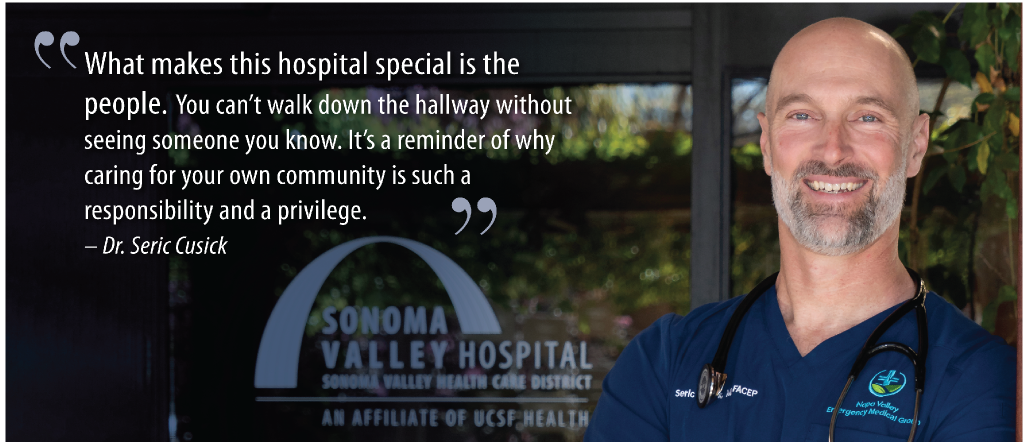
This month’s My Hospital Story highlights the deep connection between community and care through the story of Seric Cusick, a Sonoma Valley native whose life and career have come full circle at Sonoma Valley Hospital.
From growing up in Sonoma and attending local schools to returning home years later as an emergency physician, Dr. Cusick’s story reflects the unique role community hospitals play in caring for neighbors, friends, and generations of local families.
Alongside the dedicated team from Napa Valley Emergency Medical Group, Dr. Cusick helps bring high-level emergency medicine expertise to Sonoma Valley Hospital while remaining deeply connected to the community he serves.
His story is a reminder that healthcare is ultimately about people caring for people, right here at home. Click to read the full story